Credit ScoreS
What is a Credit Score?
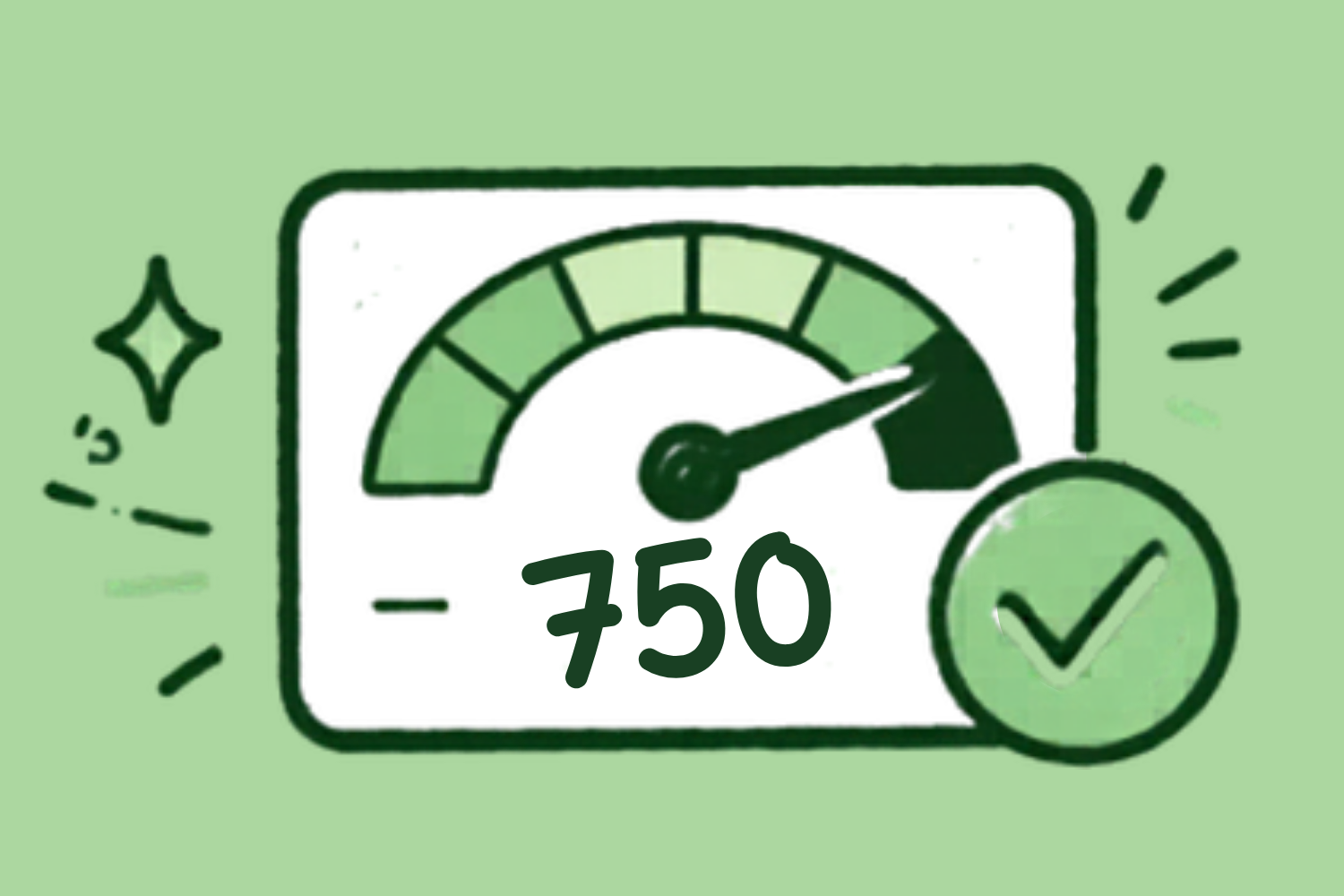
A credit score is a three-digit number that represents how trustworthy you are when borrowing money. Lenders use it to decide whether they should approve you for things like credit cards, car loans, apartments, or mortgages.
Your score is based on your credit history, which includes things like how consistently you pay bills, how much debt you currently have, and how long you’ve been using credit.
Think of your credit score as a financial reputation score. The higher your score, the more confident lenders feel about lending you money.
What is it made up of?
Your credit score is calculated using five main factors. Each factor plays a different role in determining your overall score.
Payment History (35%): This looks at whether you pay your bills on time. Late or missed payments can lower your score, while consistently paying on time helps build strong credit. Payment history is the most important factor in your credit score.
Amounts Owed / Credit Utilization (30%): This measures how much of your available credit you are using. Using a large portion of your credit limit can negatively impact your score, while keeping balances low shows lenders you are managing credit responsibly.
Length of Credit History (15%): This refers to how long your credit accounts have been open. A longer credit history gives lenders more information about your borrowing habits and is generally viewed as less risky.
Credit Mix (10%): This looks at the different types of credit accounts you have, such as credit cards, student loans, or auto loans. Having a mix of credit types can show lenders that you can manage different forms of credit.
New Credit (10%): This considers how often you apply for new credit accounts. Opening several accounts in a short period of time can lower your score because lenders may see it as a sign of financial stress.
What is Considered a Low or Bad Credit Score?
FICO Score: Anything below 580
VantageScore: Anything below 601
Note: FICO and VantageScore are software that are used for credit-scoring models. FICO is typically used by lenders, while VantageScore is mostly used by credit card issuers.
What Happens If You Have a Low Credit Score?
Limited Access to Loans: Banks and lenders may deny applications for credit cards, personal loans, or car loans because a low score suggests a higher risk of missed payments.
Higher Interest Rates: If you are approved for a loan, you may be charged higher interest rates. This means you could end up paying significantly more over time.
Higher Insurance Costs: Some insurance companies use credit information when determining premiums, which can result in higher monthly insurance payments.
Difficulty Renting an Apartment: Landlords often review credit reports during the rental application process. A lower credit score may lead to denied applications or the requirement of a cosigner or larger security deposit.
Deposits for Utilities: Utility providers may require a security deposit before starting services such as electricity, internet, or phone plans if a credit score is low.
Limited Access to Credit Card Rewards: Many of the best credit cards that offer cash-back, travel points, or other rewards are typically only available to people with strong credit.
Slower Wealth Building: Higher interest costs and fewer financial opportunities can make it harder to save money, invest, and build long-term financial stability.
Disclaimer: This information is provided as an educational resource. College Money Mind does not receive compensation for recommendations and encourages students to research options before making financial decisions.